
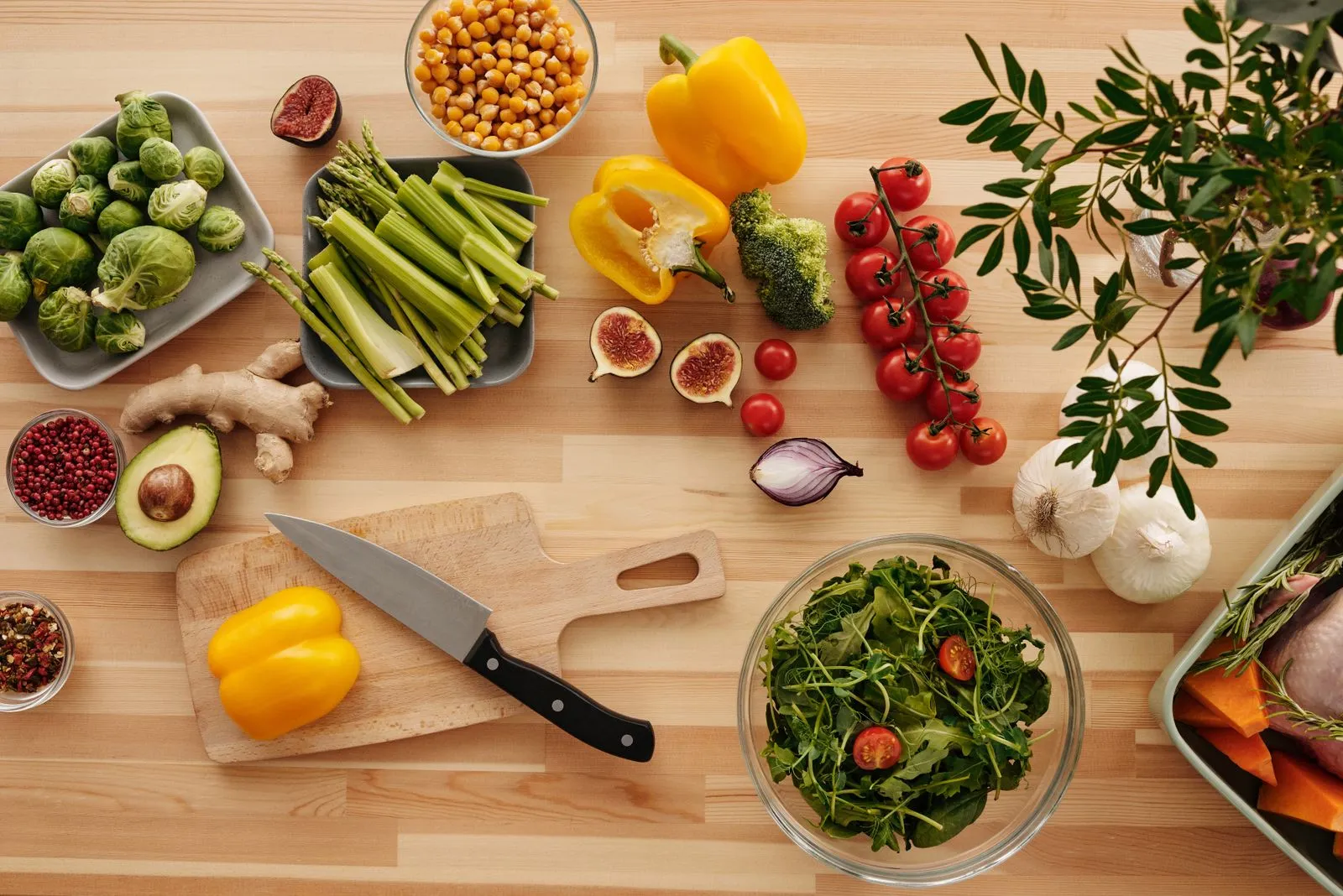
A satisfying week of plant-based meals starts with a plan that fits real life. Choose dishes around your schedule, reuse ingredients thoughtfully, and make room for leftovers or a change of plans. Rather than preparing seven unrelated recipes, build a small menu around versatile grains, vegetables, beans, and sauces. This approach keeps shopping manageable while creating enough variety for everyone at the table. A personal chef can also tailor portions, flavors, and preparation to your household’s needs.
Start With Your Weekly Routine
List the week’s meals before choosing recipes. Note which evenings are busy, when people eat at different times, and whether lunches need to travel. Reserve quick meals for packed days and schedule dishes that need more preparation for evenings with extra time. Include meals already planned outside the home so you do not buy ingredients you will not use.
Decide how much cooking you want to do during the week. You might prepare a few components ahead, such as cooked grains, roasted vegetables, or a sauce, then assemble them in different ways. If you prefer freshly prepared meals, plan for shorter recipes on weekdays. A personal chef can use your schedule to set a realistic prep and delivery rhythm.
Build a Flexible Menu
Choose a mix of meal formats rather than seven fixed recipes. A grain bowl, soup, pasta, tacos, and a sheet-pan dinner can all use overlapping ingredients while still feeling distinct. Add a protein source, a filling base, vegetables, and a flavorful sauce or topping to each meal. This simple structure helps you check that the menu feels complete.
Plan for leftovers intentionally. Roast extra vegetables for lunch bowls, or cook additional beans to use in a salad or wrap the next day. Keep one flexible meal on the menu for ingredients that need using up. If household members have different preferences, serve components separately so each person can build a plate that suits them.
Create Variety With Ingredients
Vary color, texture, and flavor across the week. Pair crisp vegetables with creamy beans, chewy grains with tender greens, or roasted ingredients with fresh herbs. Rotate flavor profiles using ingredients such as citrus, ginger, herbs, spices, and sauces. A shared base does not have to make meals repetitive when its seasonings and toppings change.
Shop from a short list of versatile staples and a few items chosen for specific recipes. Beans, lentils, tofu, grains, nuts, seeds, and seasonal produce can support many combinations. Check your pantry and refrigerator before shopping, then group the list by section of the store. This reduces duplicate purchases and makes it easier to use perishable ingredients in time.
Fit Meals to Your Household
Account for the details that affect whether meals work: allergies, preferred flavors, portion sizes, kitchen space, and how much time is available to reheat food. Make a note of which dishes should be mild, which can include optional spicy toppings, and whether meals need to be packed individually. Clear preferences make menu planning more useful than choosing recipes based on variety alone.
A personal chef can turn those preferences into a practical weekly plan, prepare components or complete meals, and adjust portions to match the household. Share your schedule, favorite dishes, ingredients to avoid, and how you prefer meals stored and reheated. Athens Green Table can discuss a plant-based menu tailored to your routine and preferences.
A workable plant-based meal plan balances variety with repeatable ingredients and enough flexibility for changing schedules. Start with your busiest days, choose meals that share useful components, and make the shopping list match the menu. If you want help adapting that plan to your household, consider talking with a personal chef about your preferences and weekly routine.